OpennessHow drawn you are to new ideas, art and the unfamiliar
How drawn you are to beauty, ideas, imagination and the unusual.
See where you sit · 6 minutesNo sign-up needed
Higher on the spectrum
Curious, imaginative, moved by art and nature, and comfortable being a little unconventional.
Strengths: Creative, quick to learn, open-minded, and moved by ideas, art and nature.
Watch for: Easily bored, restless, and drawn to the new over the practical.
Lower on the spectrum
Practical and down to earth, prefers the familiar, and isn’t fussed about art or abstract ideas.
Strengths: Practical, grounded and consistent, focused on what works and not swayed by fads.
Watch for: You may resist useful change or miss new opportunities.
Neither end is better. Most people sit somewhere in between, and every point on the spectrum has its own strengths.
Higher, on a good day
- You fall into a conversation and look up two hours later
- You try the dish you can’t pronounce
- You connect two ideas nobody else put side by side
Lower, on a good day
- You fix the thing everyone else complained about
- You cook the dish you always make, and it’s perfect
- You give advice that turns out to be exactly right
In relationships
Higher on the spectrum: You bond over ideas and adventures. Keep some novelty alive on purpose, and value the partner who keeps the ground steady.
Lower on the spectrum: Loyal and consistent; people know where they stand with you. Saying yes to something new now and then means more to them than you think.
At work
Higher on the spectrum: Best where ideas matter: design, research, strategy, anything new. A partner who loves finishing makes you unstoppable.
Lower on the spectrum: You shine making things run reliably: operations, trades, anything where steady skill beats novelty.
Its four parts
- Aesthetic appreciation
- How much you enjoy beauty in art, music and nature.
- Inquisitiveness
- How curious you are about how the world works.
- Creativity
- How much you like inventing new ideas and ways of doing things.
- Unconventionality
- How comfortable you are being different or unusual.
How Soulflake measures it
The Personality snapshot asks how well short, everyday statements describe you. Your answers are set against how people in general answer, so higher and lower on the Openness spectrum mean something real.
Every trait shows how sure Soulflake is about it. The Light snapshot gives a first picture in about six minutes, with no account needed; Standard and Thorough sharpen it, and Thorough also reads the four parts above. Each result is kept as a snapshot, and a later one only counts as a real change once it’s bigger than the margin of error.
Questions people ask
What does it mean to be higher on Openness?
Higher on the Openness spectrum: curious, imaginative, moved by art and nature, and comfortable being a little unconventional. Strengths: creative, quick to learn, open-minded, and moved by ideas, art and nature. Watch for: easily bored, restless, and drawn to the new over the practical.
What does low Openness mean?
Lower on the Openness spectrum: practical and down to earth, prefers the familiar, and isn’t fussed about art or abstract ideas. Strengths: practical, grounded and consistent, focused on what works and not swayed by fads. Watch for: you may resist useful change or miss new opportunities.
Is it better to be higher or lower on Openness?
Neither. Each end has its own strengths and its own things to watch for, and most people sit somewhere in between. Where you sit says how you tend to be, not how good you are.
How can I find out where I sit on Openness?
Take Soulflake’s free Personality snapshot. The Light version takes about six minutes and needs no account. It places you on all six HEXACO traits, Openness included, and shows how sure it is about each one.
How it shows in a Soulflake
Openness is one of the six trait crystals around the nucleus. The further you sit from the middle, the further the crystal reaches, and if openness is your most standout trait, it sets your Soulflake type and cuts every crystal.
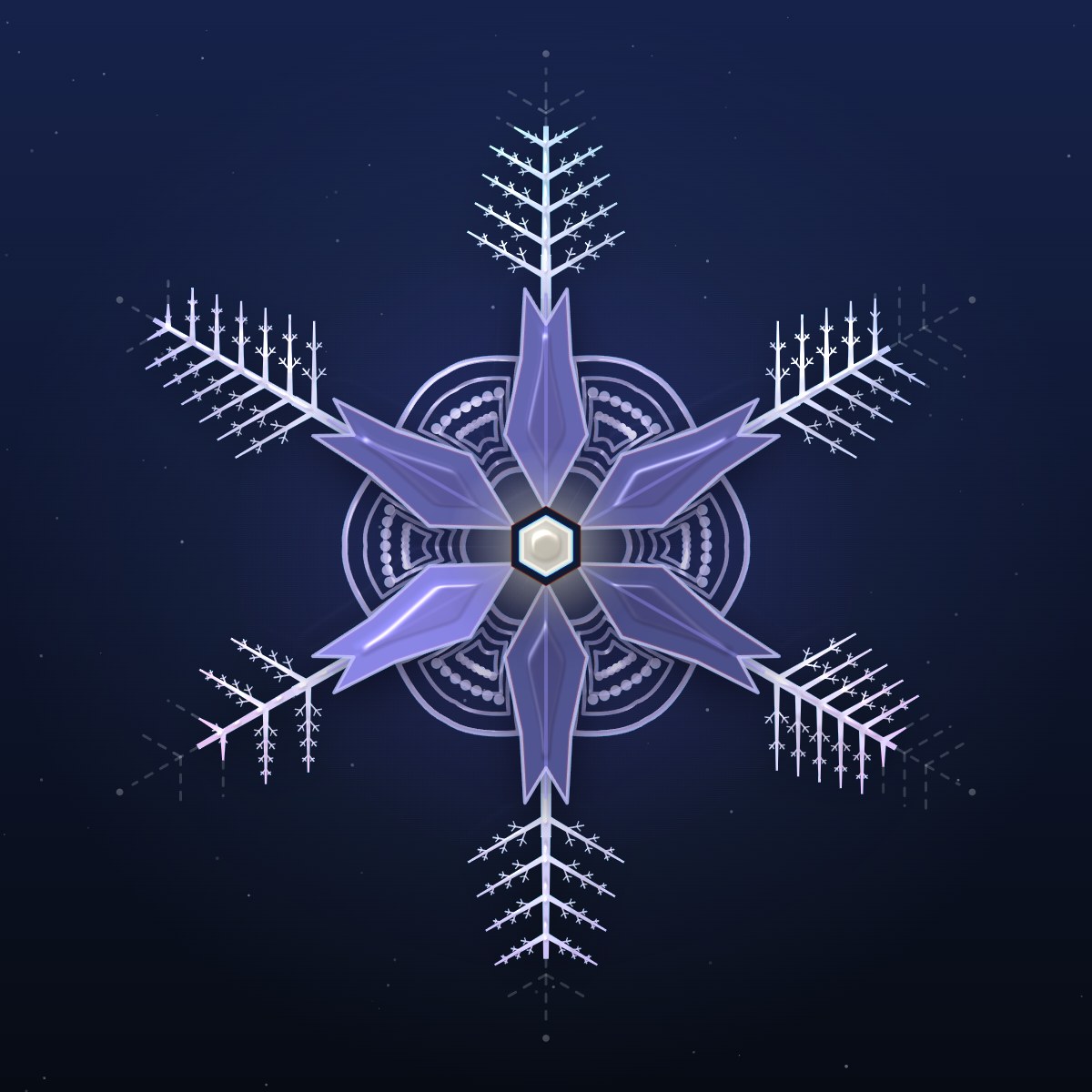 Voyagers
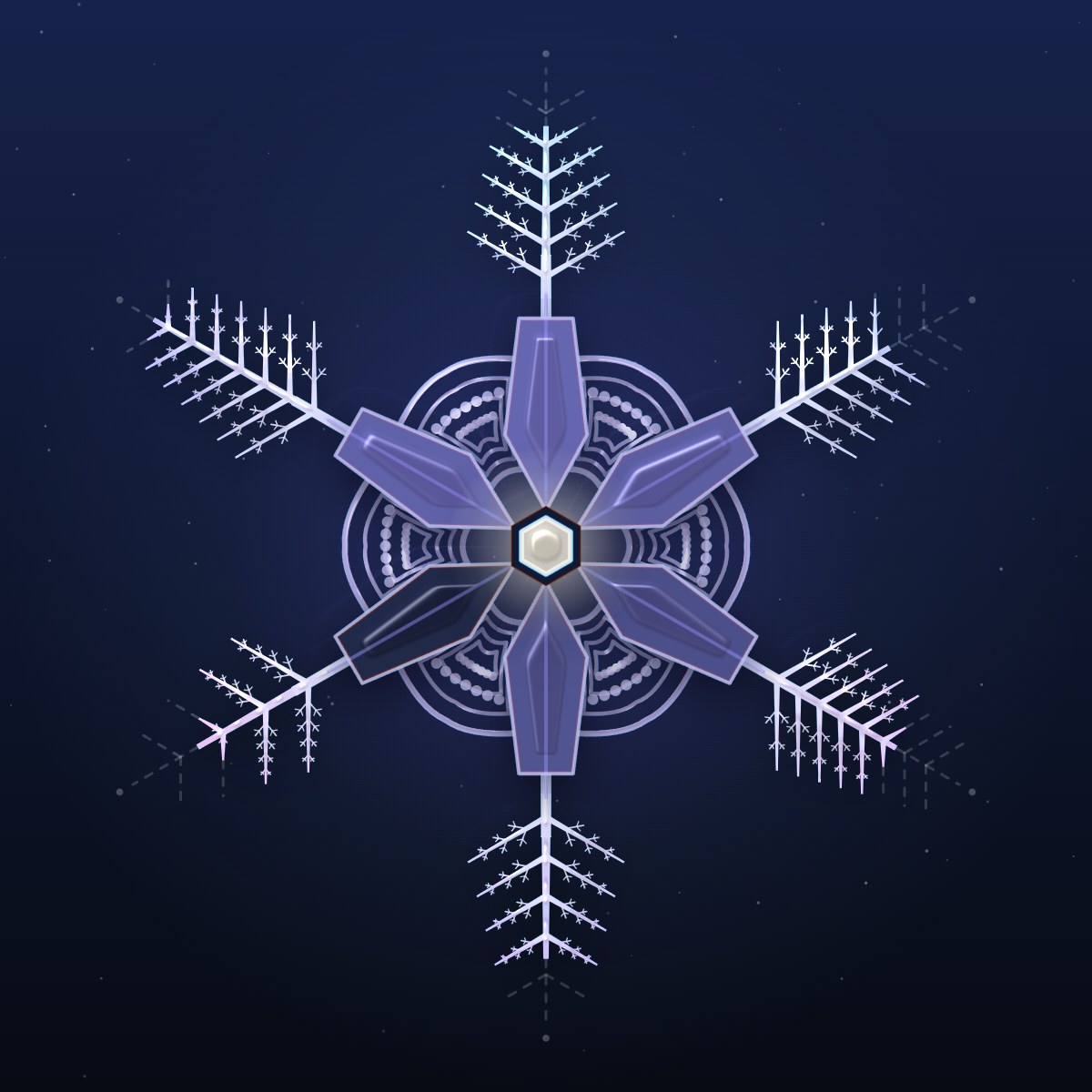 Keepers
Types that tend to go with it
See where you sit on Openness
Take the free 6-minute snapshot. You get your four-letter type, your Enneagram type and your Soulflake type, and the six traits underneath, all grown into your own Soulflake.
Take the free 6-minute snapshotNo sign-up needed to start.
The other traits
The six traits come from the HEXACO model, an established model of personality research. The science behind Soulflake